Low-Cost Auto Repair: Superior Care for Your Vehicle
Low-cost auto repair combines excellent upkeep with budget control. Vehicle owners often encounter the predicament of finding reliable mechanics who offer transparent pricing and solid recommendations. Understanding when to tackle repairs alone versus seeking professional expertise can significantly influence vehicle longevity. In addition, maintaining ongoing maintenance can bring about unexpected savings. As the nature of auto repair undergoes change, being aware of how to work through it grows to be essential for every car owner. What solutions can be employed to secure both care and affordability?
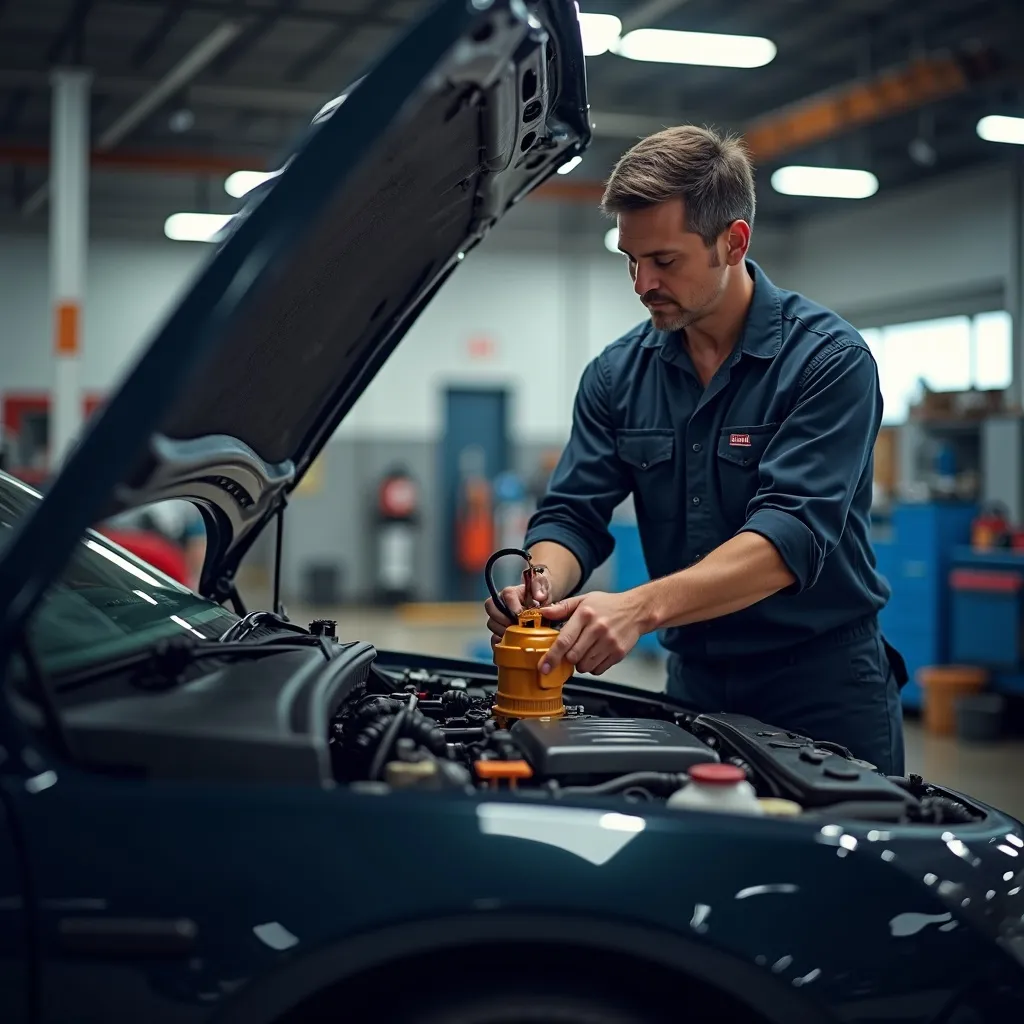
How to Pinpoint a Trustworthy Mechanic
In a pool of options, how can one identify a reliable mechanic? The quest for a credible mechanic begins with referrals from family or close acquaintances, since personal stories often provide important insights. Online reviews and ratings also aid in evaluating a mechanic's reputation. A reliable mechanic typically shows certifications from recognized automotive organizations, indicating a commitment to professional standards.
Further, clarity in fees and procedures is a hallmark of integrity; a trustworthy mechanic will provide detailed cost assessments and explanations without hidden fees. Observing the shop's environment is also revealing; a clean, organized workspace often mirrors the professionalism of its staff. Finally, a willingness to answer questions and explain repairs reflects their dedication to customer service, promoting trust. By combining these aspects, one can firmly choose a mechanic who prioritizes quality and dependability in auto repair.
Important Questions to Discuss With Your Service Professional Before Making an Appointment?
Before arranging an session with a repair technician, it is essential to request information about vital inquiries pertaining to their experience and skills. Find out about coverage and promises for tasks completed, as well as pricing and estimates for the work needed. This deliberate strategy can help confirm a satisfactory and transparent service interaction.
Experience and Skills
Evaluating a technician’s background and qualifications is essential for ensuring excellent auto repair. Prospective customers should ask for the mechanic's licenses, which demonstrate official education and skill in the field. Asking about years of experience can offer insight into their familiarity with various vehicle makes and models. Additionally, customers should take into account whether the mechanic has expertise in specific areas, such as electrical systems or transmissions, which may be important to their vehicle's needs. References or customer reviews can also reveal a mechanic’s standing for reliability and service quality. Ultimately, understanding these credentials helps customers choose wisely, making sure their vehicles get the best care possible.
Warranty and Promises
Understanding a mechanic's experience and qualifications lays the foundation for a successful car repair experience, but guarantee and assurances also contribute in customer confidence. Before booking, customers should ask for the details of any warranties offered. Questions such as, "Which parts are included?" and "How long is the warranty valid?" are important for clarity. Additionally, understanding the process for claims is necessary; customers should ask, "How do I proceed if a problem occurs?" Mechanics who offer clear and thorough warranties demonstrate their dedication to quality. Guarantees on labor can also indicate a mechanic's confidence in their work, making sure customers feel secure in their investment. Such inquiries facilitate informed decisions and build trust in the repair process.
Pricing and Cost Assessments
Straightforward pricing and clear view details quotes are critical for a positive auto repair experience. Before scheduling an visit, car owners should think about raising numerous important inquiries to ensure they obtain fair and complete care. First, they should ask about the itemization of expenses, such as components, labor, and any additional fees. It's also important to ask how long the repairs will take and if they offer a written quote. Additionally, customers should verify whether any guarantees cover the repairs and what the shop's policy is regarding unforeseen expenses. Finally, being aware of payment choices and credit access can help in making prudent choices. By asking these questions, clients can build trust and ensure they are receiving superior care for their vehicles.
Determining whether to tackle auto repairs yourself or seek professional help can be a formidable challenge for many car owners. For minor issues such as replacing air filters or changing oil, DIY repairs can reduce costs and foster a sense of accomplishment. Car owners with basic mechanical skills and the right tools may find these tasks feasible and rewarding.
However, complex problems, including transmission failures or electrical system malfunctions, typically require expert knowledge and appropriate tools. In these situations, professional technicians hold the skill to diagnose and fix complications promptly, curtailing the danger of compounding damage. Also, product warranties on automotive components and repairs might be voided if improper fixes are attempted. Ultimately, assessing your ability level, the scope of the restoration, and potential expenses remains critical in selecting the best option between DIY work and professional assistance.
Guide to Getting Discounts on Auto Services
Finding discounts on auto services can greatly reduce repair costs. Consumers can explore local promotions, take advantage of membership rewards, and take advantage of seasonal sales to boost their financial gains. Identifying these opportunities requires some research but can result in considerable cost savings.
Regional Marketing And Coupons
Numerous car owners look for methods to reduce expenses on vehicle maintenance expenses, and neighborhood discounts and vouchers can offer significant relief. These special offers often appear in community newspapers, digital channels, and internet profiles of neighborhood repair facilities. By regularly checking these outlets, car owners can discover time-restricted deals, seasonal promotions, or special deals targeting specific services. Additionally, some businesses partner with local organizations or events, providing exclusive coupons to participants. Signing up for newsletters from favorite service providers can also deliver valuable savings information. Making use of these local promotions not only reduces repair expenses but also supports local shops, establishing a win-win situation for both consumers and local economies.. In addition, various enterprises work in partnership with local associations and initiatives, extending exclusive discount vouchers to attendees. Subscribing to email updates from preferred repair centers can produce helpful financial guidance. Making use of these community-oriented promotions not only reduces upkeep costs but equally supports community businesses, establishing a positive outcome for both groups—customers and regional financial systems.|Many automobile owners attempt to economize on vehicle service costs, and area promotions and discount codes can furnish substantial advantages. These price breaks frequently emerge in neighborhood papers, web-based platforms, and online community profiles of regional repair centers. By repeatedly reviewing these outlets, motorists can discover limited-time deals, recurring offers, or bundled promotions geared toward service needs. Furthermore, multiple businesses partner with community groups and activities, offering special promotional codes to participants. subscribing to news updates from trusted repair shops can generate helpful financial advice. taking advantage of these area-focused discounts beyond just lowers repair bills but also strengthens community businesses, establishing a positive outcome for all parties—clients and regional economies
Member Loyalty Plans And Special Offers
As examining options for affordable auto services, car owners often fail to notice loyalty programs and discounts provided by repair shops. Many establishments offer loyalty programs that incentivize repeat customers with discounts on future services. These programs can significantly reduce overall maintenance costs over time. Additionally, some shops offer seasonal discounts or special promotions for first-time customers, which can further enhance savings.
To find these deals, car owners should inquire with local repair shops or inspect their websites for any advertised promotions. Becoming part of email lists can also provide notifications about exclusive deals. By harnessing these loyalty programs and discounts, car owners can ensure they receive quality care for their vehicles without budgetary excess.
Seasonal Promotions And Offers
Drivers and car owners can considerably benefit from seasonal sales and offers when seeking budget-friendly auto services. Auto repair shops and dealerships frequently run promotions during particular times of the year, like spring tune-ups, summer road readiness checks, and winter maintenance specials. These discounts can dramatically decrease the cost of vital services like oil changes, tire rotations, and brake inspections. Car owners should regularly check local advertisements, online coupon sites, and social media pages of service providers to find these offers. Subscribing to newsletters can also alert them about limited-time deals. By using these seasonal promotions, vehicle owners can guarantee their cars remain well-maintained without overspending.
Breaking Down Common Auto Maintenance Costs
Comprehending the multiple components of auto repair costs is necessary for vehicle owners striving to manage their budgets effectively. Common expenses include labor, parts, and diagnostic fees. Labor costs typically form a significant portion of the total bill, often ranging from $50 to $150 per hour, depending on the shop's location and expertise. Parts can vary widely in price; for example, a brake pad replacement might cost between $100 and $300, while more complex repairs, such as transmission work, can exceed $1,000. Diagnostic fees, usually around $100, are charged to uncover issues before repairs begin. Additionally, unexpected costs may occur, particularly if further issues are discovered during the repair process. By understanding these parts, vehicle owners can better anticipate expenses and make informed decisions regarding their auto repair needs, ultimately helping them maintain their vehicles without breaking the bank.
Ongoing Upkeep Strategies to Save You Money
Routine upkeep represents a proactive approach that can substantially reduce extended auto maintenance expenses. By adhering to a regular maintenance plan, vehicle owners can tackle minor issues before they develop into major problems. Simple tasks such as regularly checking oil levels, maintaining proper tire pressure, and replacing air filters can enhance vehicle performance and longevity.
In addition, complying with the manufacturer's suggested service schedule confirms that essential components are maintained promptly. This covers routine inspections of brakes, fluids, and belts, which can prevent expensive breakdowns.
In addition, keeping a maintenance log can help monitor services and notify owners when future upkeep is due. Learning oneself about fundamental auto maintenance can also empower owners to perform minor repairs, additionally saving costs. Overall, regular focus to maintenance not only preserves a vehicle's value but also promotes safer driving experiences.
Why Ongoing Mechanic Partnerships Are Important
Nurturing a continuous partnership with a esteemed mechanic can greatly enhance a vehicle owner's outlook and composure. Such connections inspire a more intimate knowledge of the vehicle's history, allowing mechanics to furnish tailored care that resolves particular concerns. Over time, a mechanic becomes familiar with a car's quirks, leading to precise diagnostics and swift repairs.
Furthermore, loyalty often results in improved rates and priority service. A mechanic who knows a customer's vehicle well may provide reduced prices on routine maintenance or expedite repairs during emergencies. This confidence can also mitigate the stress associated with unexpected breakdowns, as vehicle owners feel confident their mechanic has their highest priorities at heart.
Moreover, durable relationships encourage honest conversation, allowing vehicle owners to seek clarification and obtain advice without hesitation. Ultimately, selecting a capable mechanic pays dividends in both savings and vehicle longevity.
Frequently Asked Questions
How Can I Tell If My Car Needs Prompt Fixing?
A car needs immediate repairs if you detect strange sounds, warning lights on the dashboard, leaking fluids, trouble starting the engine, and alterations in how it handles or brakes. Overlooking these signals can result in more severe issues.
What Approaches Can I Use to Check a Mechanic's Qualifications?
To check a mechanic's qualifications, one can examine their credentials through official websites, such as the National Institute for Automotive Service Excellence, or request copies of their certifications directly from the mechanic or repair shop.
What Coverage Should I Seek on Auto Repairs?
Customers should look for warranties that include protection for parts and labor, typically lasting between 90 days to two years. Specifics can differ by repair type, so checking warranty terms with the mechanic before service is crucial.
Are there particular auto repair scams you need to avoid?
Certain auto repair frauds to steer clear of consist of unneeded work, inflated quotes, and misleading strategies. Customers should be cautious of mechanics who demand swift action or lack transparency in their pricing and services offered.
What Methods Should I Take to Care for My Vehicle Between Services?
Consistently monitoring tire pressure, fluid levels, and battery health can greatly extend vehicle life. Additionally, maintaining a clean interior and exterior, along with timely oil changes, fosters better performance and minimizes the need for costly repairs.